

Sod (Block) Peat
Ideal for making the best blends
Block peat
Block peat is a very important component of the finished substrates. They require a lot of manual work and it make the final product more expensive. However, the result obtained outweighs the investment. The soil is light, loose, does not flatten, well absorbs water and drained it out, provides excellent air access to the roots.
Before we go into detail about block (sod) peat as one of the most advanced parts of soil-less mixes we should say some words about trending growing media products.
Important demands for growing media.
Great efforts are being made to find the optimum raw materials that can meet the rather controversial requirements of the plant roots. They need air, water and keep nutrients at the same time. And at the same time roots cannot tolerate water retention (need fast drainage), and drying, uneven fertilizer distribution or soil compaction.
Also, the growing media should be cheap, light, and must not lose its properties during transport when it is in a compressed state for several months.
When resistant against compaction, mixes preferably should be forgiving, in which “excess water will drain quickly, stays wet, but not damp, in outdoor containers after heavy rain or due to “a mistake in irrigation by an employee.“
It’s important to realize that peat remains the biggest and most important commodity in the industry, and many of the new products are dependent on that supply to create relevant mixes.
Well-grown and processed block peat gives the substrate a high fatigue and resistance to deterioration
Peat fields are being prepared for a long time in order to obtain the very best raw materials that fully preserve their natural properties
Extracted in blocks, the botanic structure of the sphagnum remains unaltered, which instead is compromised by the mechanical stress of milling.
For this reason, peat in blocks (SODEN type) is the most valuable. Peat is generally classified according to granulometry and the degree of decomposition (VON POST scale)
Sod peat is a major component in potting and container substrates for green plants, flowering plants, shrubs and trees as well as hanging baskets.
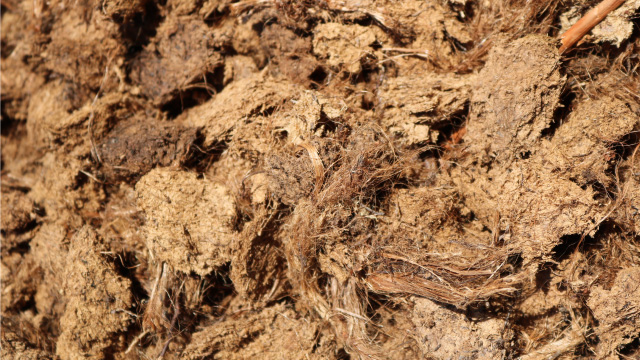
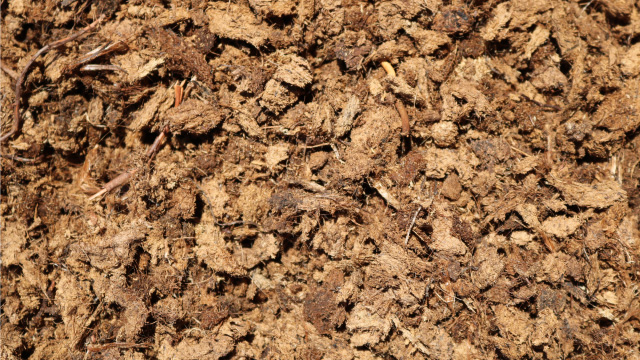
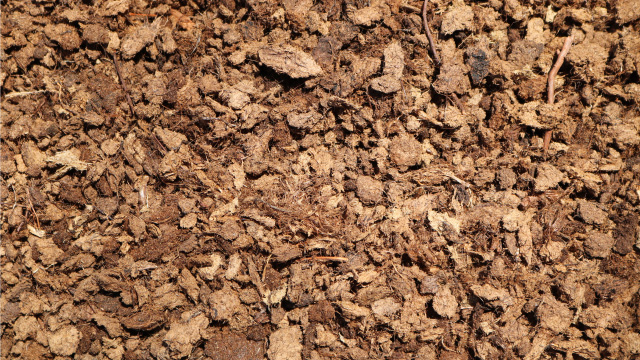
Quality block (sod) peat main features:
– long term structural stability
– increased air capacity
– creates a structural frame of subtrate
– no peat dust, very low proportion of fine particles (< 1 mm).
– stores water and fertilisers
– improves the drainage of water
– supports the root system of sensitive plants to grow
Block peat and perlite
Block peat completely replace perlite in greenhouse growing media
That is less dusty than perlite and has highly compressed packaging
Structure.
Block peat can be formed into products of ideal structure, which cannot be achieved using other types of peat. No other type of peat has the air content and water absorption capabilities of fractured block peat.
Processing
During the fractionation of blockp peat, the small particles of peat are separated from the large ones, following a certain size scale, for example 7-15mm, then 15-25mm and finally 25-40mm so that the largest. The sieving process must be very gentle, the pieces of peat must not be ground, they must be broken up as naturally as possible without damaging the structure of peat blocks.