

What is ideal growing media?
From the grower perspective, the ideal growing media must perform well under their own specific operation constraints. Their objective may include plant health, uniformity, time table for plant delivery, predictability, reliability and sureness are crucial factors for selecting a specific potting substrate (Ball 1998;Schmilewski 2008). Traditionally, peat is a dominant material used as growing media worldwide. …READ MORE
Ingredient for mixtures
Peat is a spongy substance that is an effect of the incomplete decomposition of plant residues in different stages of decomposition. Among the several organic matters which are used as the substrate for horticultural plant cultivation in soilless conditions, peat is the unpardonable ingredient for mixtures for the commercial production of plants. Peat is used in horticulture as a component of garden plant substrates, in agriculture for the production of garden soil, and as organic fertilizers.
Sphagnum peat moss is still an indispensable ingredients in modern horticulture
The cultivation of vegetables, fruits and flowers is increasingly soil-less, i.e. takes place in pre-prepared ‘growing media’ that allow uniform, high-quality plants to be grown at very high productivity levels. Sphagnum peat has, in the last decades, emerged as the foremost constituent of these growing media (Joosten, 1995; Alexander et al., 2008) because of its structural stability, low bulk density, high porosity and low pH, nutrient and nitrogen immobilization levels.
General description for raw materials:
Based on color ( degree of decomposition)

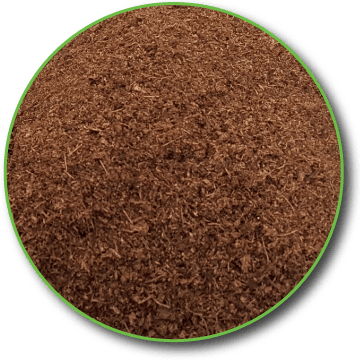
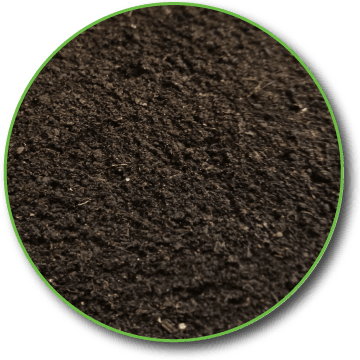
Based on size and mining technique:
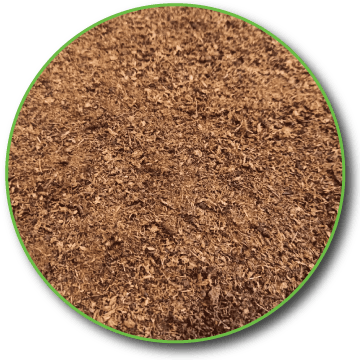
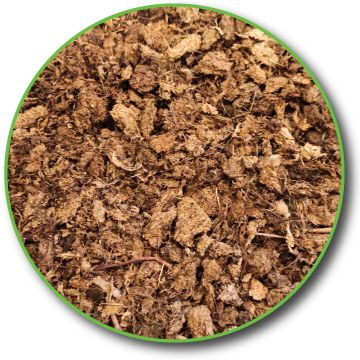
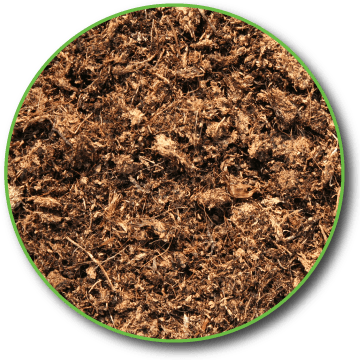
Demanded properties for growing media.
Sphagnum peat has been the most important growing medium constituent for many decades because its properties are the best available. In addition to a high water holding capacity (WHC) and cation exchange capacity (CEC), peat has a naturally low pH and nutrient level. Natural peat from bogs has a pH value between 3.5 and 5.0. Peat-based substrates are limed to a pH between 5.0 and 6.0 to stabilize the plant-available nitrogen compounds and to ensure the nutrient availability of plants. By liming, fertilization, and supplementation of other substances, horticultural soils can be optimally adapted to different requirements.
Available alternatives and additions
Other common organic input materials often used to reduce the peat fraction in growing media are compost, treated wood fibers, coir, composted bark, digestates, Sphagnum moss, and inorganic materials such as perlite, vermiculite, clay granules, pumice, and lava rock. Although growers are interested in new compounds for growing media, the alternative materials do not have the same properties, are expensive, or are not available compared to peat.
Baltic peat moss
Produced for greenhouses, nurseries, and professional gardeners. Also special offers for hobby market and private label substrates.
World-class standards
Baltic sphagnum peat moss is very well known thanks to its excellent characteristics.
Although peat deposits are available in many countries, genuine quality peat that can be used in professional gardening is a rare thing. Most peat has physical characteristics insufficient to be used for substrate production. They are only useful for backyard gardening or for adding to existing soils to remedy one of the missing features. One of the main characteristics of professional substrates is their compliance with standardized requirements, which do not vary according to where or when the raw materials were obtained. The Baltic peat substrates are recognized as one of the best in the world. The demand for them is increasing every year, and they are competing strongly with products of another origin. Air irrigation and water absorption capacity are very high compared to other region peat moss products.
There for Baltic peat is very well suited for:
- Greenhouses;
- Nurseries;
- Professional gardeners;
- Landscaping professionals;
- Hobby substrates;
- Professional peat substrate manufacturers.
Areapeat manufactures and exports directly to end-users: professional growers, greenhouses, nurseries, hobby market and peat moss substrate manufacturer as well.
Wide range of substrate recipes cover all needs of growers. Full range specification list including different screening, peat type, additives : NPK, perlite , clay, lime for pH adjust, trace elements, wetting agent, etc. Also we can customize peat moss according to client requirements.