
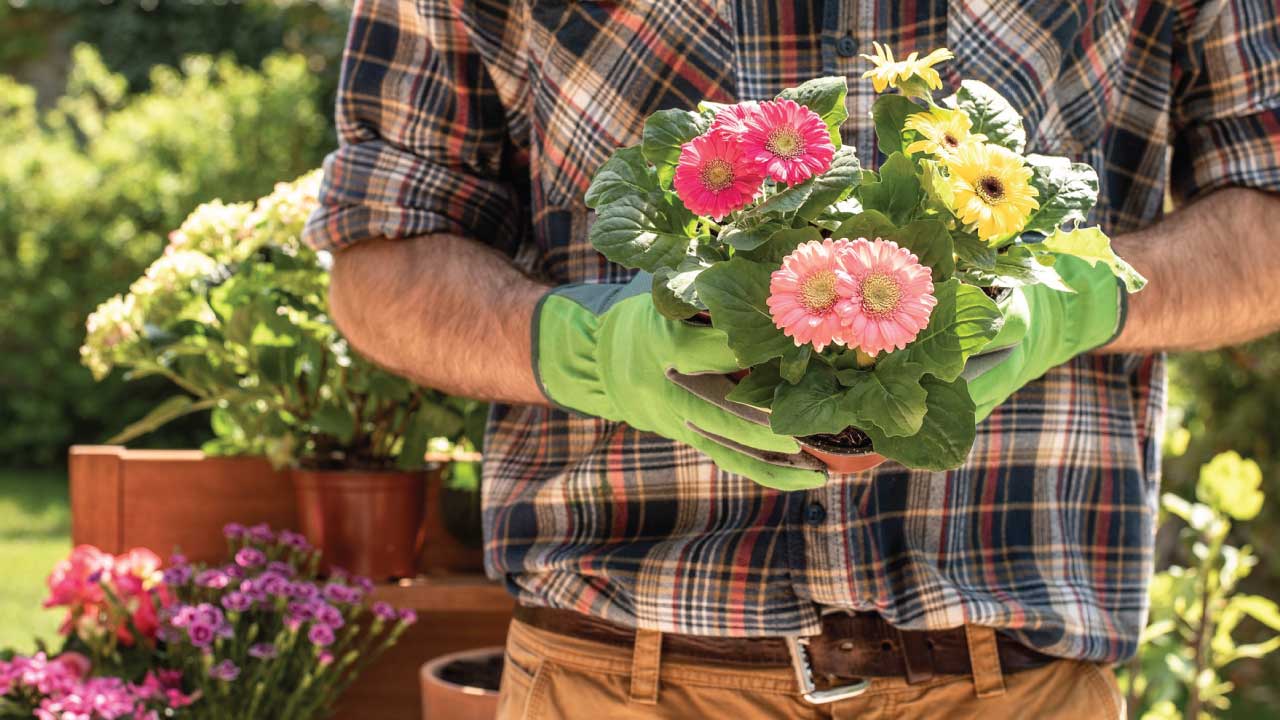
Baltic peat may not dominate landscape shop shelves in the U.S., but plant household lovers dedicated to learning about the best growing media in horticulture area.
Peat market in USA
However the market for Baltic peat in the U.S. has been growing. If we talk about peat, we usually mention Canada, the country with the largest peat extraction areas on the world. Therefore, in almost all cases, when the customer receives ready-made mixtures of substrates, he does not even know that Baltic peat is used in them. Only a horticulture professional will recognize the difference, especially if a coarse structure is required.
Klasmann in Miami, Florida
It is Canadian peat that dominates practically the entire USA, although the leaders in the development of substrates in the world are from a completely different place. One of the most well-known companies is Klasmann-Deilmann, which is considered to be the leading and most knowledgeable producer of substrates. It is a German company that obtains, develops and packages peat substrates directly in the Baltics – Latvia and Lithuania. Klasmann’s largest production facilities are also located here. Most recently, ForemostCo® Inc, Miami, Florida announced that it has become a Klasmann distributor in the USA, calling it “the best and most reliable products in the horticulture industry”.
Everything is important for professional grade substrate. It can be confidently said that size matters, even decisive. This refers to the size of the particles used in the preparation of soil mixtures. It is important to note that the size in itself does not decide anything, it is important whether it will perform its direct functions, which are so necessary for the plant.
The most important conditions determined by the size of the particles:
1. Particles size.
It must correspond to the size and stage of development of the plant’s roots. For example, at the seedling stage, the particles should be as small as 0mm to 7mm (0-0,3 inch). After 1 – 2 months (it depends on the specific plant) the particle size should be increased to 7-15mm (0,3- 0,6 inch). Plants with a developed root system that are moved to large pots (30-60cm diameter) should also use larger substrate particles, which can reach 20-40mm.

2. Air capacity indicator.
Each substrate has its own specific air capacity index, which shows the ability to supply oxygen to the roots of the plant. It is lower for fine particles, higher for coarse ones.
3. Anti-compression properties.
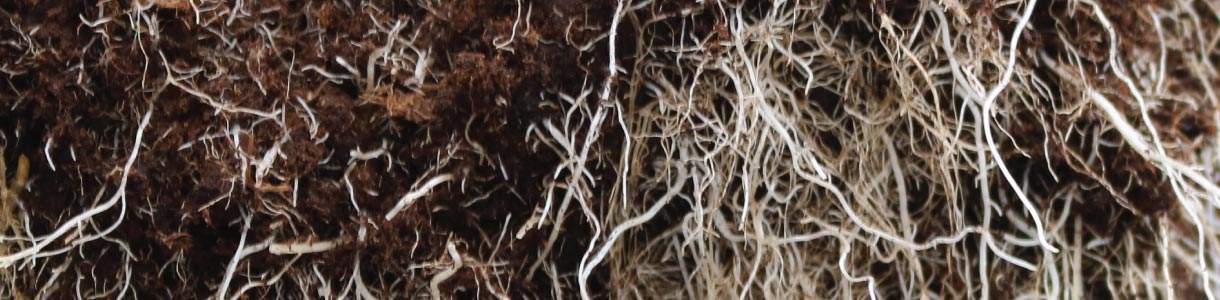
It is not enough that some larger particles are used. What matters is what happens after a few weeks or months, when the soil is watered intensively and starts to flatten. It will inevitably happen, the question is how intensively and how it will affect the roots aeration rates. Often, from the beginning, the substrate looks loose, light and airy. But with time everything changes. The soil obviously collapses and shrinking, becomes dense, the roots of the plant are compressed, they no longer get as much air as they need. The development of the plant starts to slow down or stopped altogether.
4. Particle ratio.
The ratio of the amount of very small particles to the amount of larger particles is crucial. Very small particles (0-1mm) or peat dust are always in the substrate, it is inevitable, it matters how much there is. These very fine particles are functionally less valuable than the large ones. They tend to stick together, forming conglomerates that do not allow air to pass through and repel water during watering. If the percentage of small particles is not high, then the substrate will work well and fulfill its functions. There are several main reasons for the excessive amount of small particles. First of all, it is an aggressive process of peat harvesting, when the top layer of the bog is milled with high speed equipment machines and the separated particles are sucked up with vacuum equipment. Second – a long period of drought during peat harvesting. Thirdly, some additional methods are sometimes used in the production of peat, for example, grinding the peat together with the foreign objects in it, mainly tree branches. It is a good practice to separate the pieces of wood by fractionation or sieving, but in order not to lose volume, everything is ground together. Grinding creates a lot of small particles and greatly damages the natural structure of peat, making it of little use for horticulture purposes. Such a method can be used if the peat is used for heating, but not for agriculture.
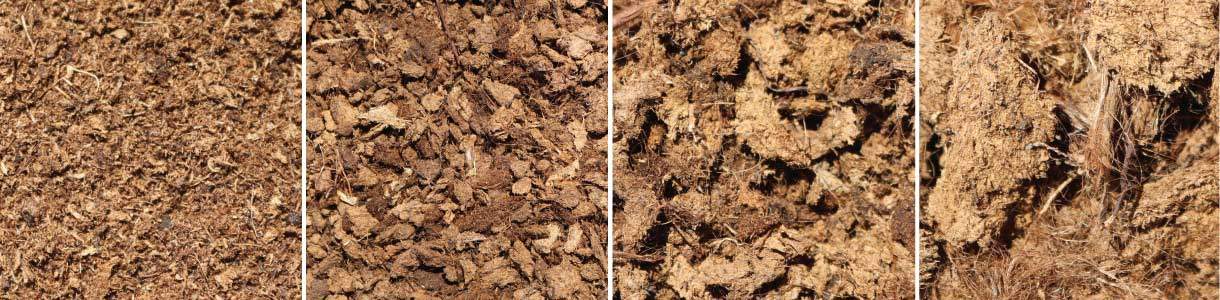
Overview of physical characteristics of different white peat raw materials
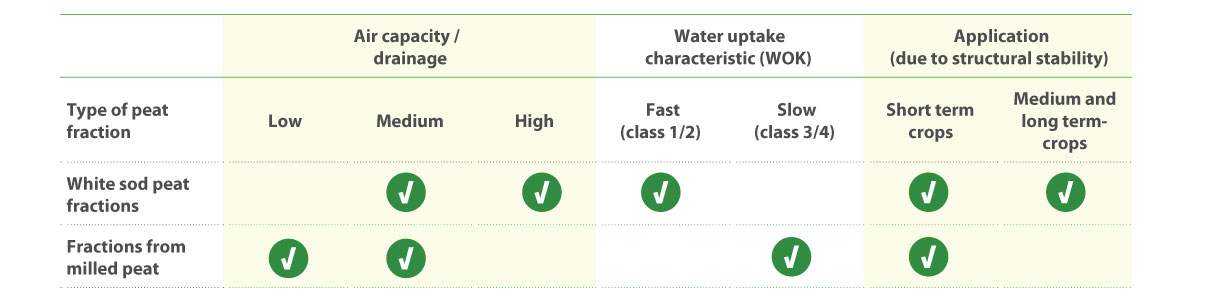
Source: RHP MG’s-Gravenzande, The Netherlands
Advantages of Baltic peat substrates
Fine structure (0-7-10mm). Early stages of plant development. Seedling, propagation.
- Greater aeration of the root zone and increased drainage, therefore less problems with clogging
- Improved initial development of roots and seedlings
- Improved uniformity of plants in trays
- Easier wetting of the base
- Optimised delivery volume due to lower substrate weight
Medium structure (7-15mm). Potting, bedding plants.
- Improved capillarity of the substrate
- Increased air capacity and reliable drainage
- Long-term structural stability
- Easier rewetting of the substrate
- Very healthy and fast root development
- Drier surface, less growth of algae and liverwort
- Stable nitrogen balance to suit normal feeding regime
- Low weight, reduced transport cost
Coarse structure (15-30-40mm). Transplanting.
- Increased air capacity and optimised drainage
- Very few fine particles, long-term structural stability
- Improved capillarity of the substrate
- Easier rewetting of substrate
- Excellent root development
- Drier surface, less growth of algae and liverwort
- Uncomplicated crop feeding due to the stable nitrogen balance
- Low weight, reduced transport costs
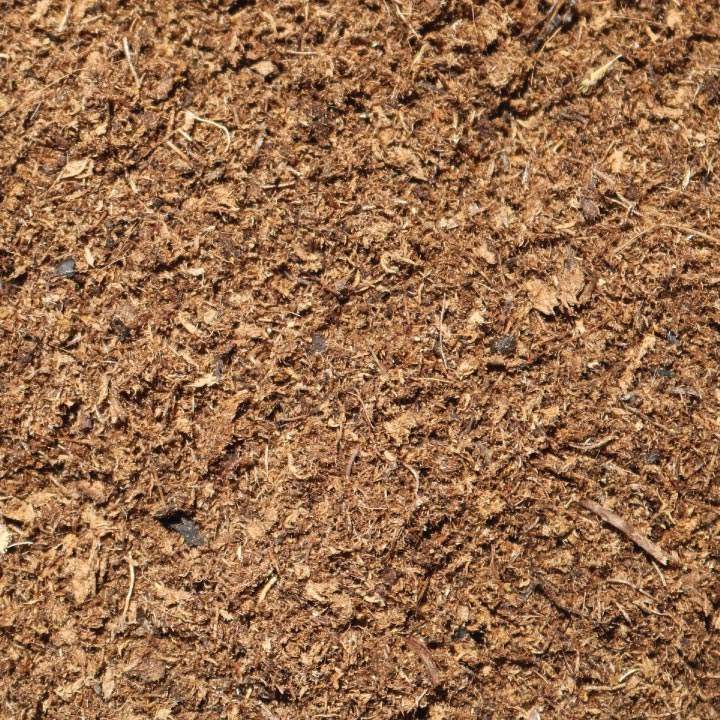
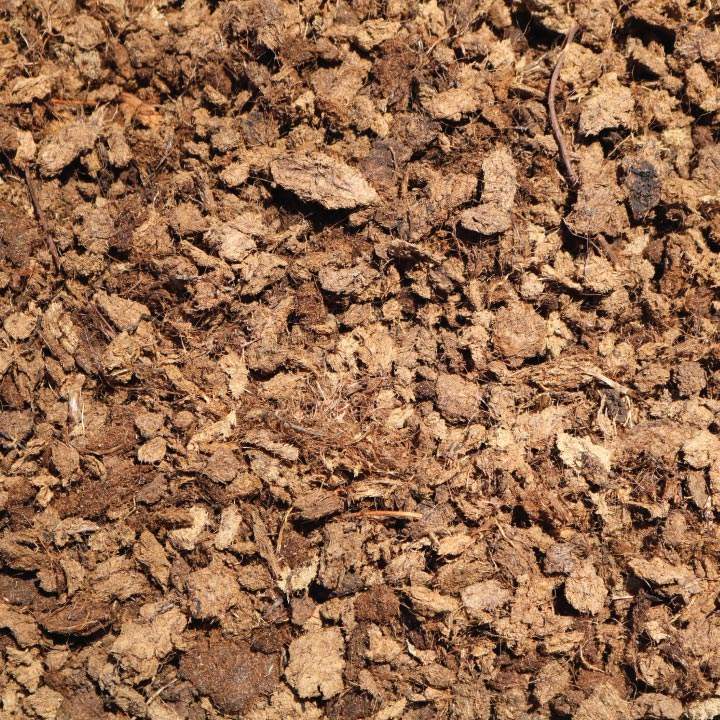
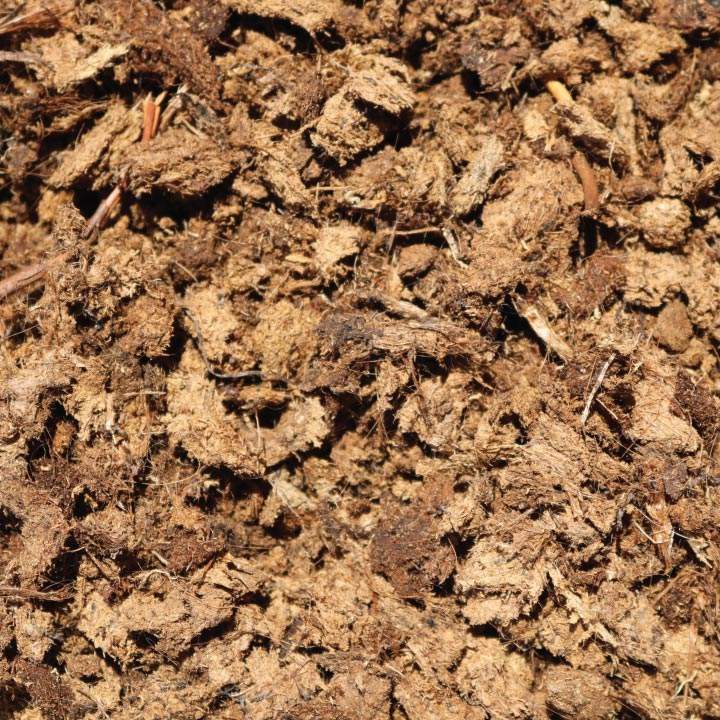
If the substrate is used for long term crops such as pot plants, shrubs and trees, it is suggested to use a product with an increased amount of block (sod) peat fractions. This means that it is not only the size that matters, but the type of turf used. Frequent heavy irrigation and a constantly wet substrate can lead to quicker decomposition and break down, even of a coarse substrate structure.
Use of peat in growth substrates
Peat is the most effective substrate component and there are no comprehensive alternatives to a peat that would ensure the preservation of this excellence without losing quality.
- Peat combines the qualities that commercial gardeners expect from a growing medium. – Peat-based substrates provide unique reliability in the cultivation of various crops.
- Peat-based growing media of consistently high quality can be continuously produced and delivered.
- When it comes to growing plants, raw materials such as wood fiber, green compost and coconut kernel is partially valuable addition to peat.
- Only in combination with peat do these raw materials achieve the desired horticultural effect.
- Growing substrate without peat is less reliable for growing crops.
- Considering the current situation, doing without peat in growth substrates would lead to substrate supply gap because no alternative substrate components are available in sufficient quantity.
Filling of pots and transplanting
– Pots should be filled to the top with substrate, with a slight overfilling. During transplanting and after initial irrigation, some compaction of the substrate happens what levels the substrate surface down. Otherwise pots become underfilled after the transplanting process.
– Young plants should not be potted too deeply into the substrate as they may sink further into the substrate during the first days after transplanting.
– Deeply potted plants might suffer from air and light deficiency around the stem zone what may lead to limited growth and fungal infections.
– After transplanting, the crop should be irrigated carefully to allow the substrate to reach a final compaction and ensure good contact with the plant roots.
Watering
An important advantage of peat based substrates is the water holding capacity which is significantly higher than with other growing media (e.g. bark, coir, rice husks, etc.). Irrigation regime for peat based substrates is the same as for other growing media, but in general, peat based substrates require less frequent irrigation than substrates based on other constituents. The higher water retention allows extending the intervals between irrigation. It also means less leaching of nutrients from the substrate. Therefore, it is possible that the need for fertilizer applications in peat based substrates may also be less than with other growing media.
– Do not apply excessive amount of water to the crop to avoid waterlogged situations in the root zone as this may increase problems with root diseases.
– Initial irrigation of substrates after transplanting or sowing should be carried out very accurately to ensure the whole substrate receives water homogeneously.
– Irrigation should be carried out in the morning to allow the substrate surface and plant leaves to dry off during the day.
– Never apply water during strong sunlight around midday as this can cause leaf burnings.
– During irrigation make sure that the substrate is completely moistened. No dry zones should be left in the root zone.
– Watering should only be carried out when the substrate has dried off sufficiently.
pH control and effects in substrates
1. Impact of irrigation water:
– Reduce carbonate content by acidification. Reliable metering equipment is needed to prevent acid damage to the crop.
– Mix rainwater (very soft) with ground water (often hard) to achieve medium carbonate levels.
– If very hard and very soft water is used, consider monitoring the pH value of the substrate during cultivation. Annual water quality testing is also recommended.
2. Effect of fertilizer types:
– Use special fertilizers suitable for hard or soft water. They have an adjusted nitrate/ammonium ratio and support pH stability during cultivation.
– If significant pH changes are observed, consider using a liquid nitrate or ammonium fertilizer feed.