
Liquid Fulvic Acids extracted from black humus peat is an extremely potent and high-energy substance that stimulates plant metabolism, increases stress tolerance and acts as a natural detoxifier.
An organic fulvic acid concentrate that improves photosynthesis, and nitrogen efficiency and can balance and maintain higher soil nutrient levels.
What can fulvic acid do for crops and soil?
Fulvic acid is a very powerful input for any crop in any growing environment, including soilless greenhouse environments. Fulvic is so powerful that one fulvic molecule is capable of carrying over 60 mineral and trace elements to boost cation exchange so your crops get access to more nutrients, maximizing nutritional potential. It stimulates plant metabolism, increases enzyme activity and acts as a catalyst in plant respiration. It improves nutrient efficiency as it enhances permeability of cell membranes, and it increases cell division and cell elongation. It can improve production capacity through its ability to aid chlorophyll synthesis. It also acts as a natural detoxifer for many common pollutants.
Fulvic acids biological effects
Fulvic acid is a bi-product of humic acid. Humic acid is extracted from any material containing well-decomposed organic matter – soil, coal, composts, etc. As humic material is decomposed by living microbes, these microbes create the most biologically complex organic compound on earth, fulvic acid. There is perhaps no substance more vital to life than these biologically-derived compounds.
Fulvic acids usage
Liquid Fulvic Acid is ideal for use on all soils and plants under all conditions. Fulvic acid may be administered via foliar applications. It has a very low molecular weight which facilitates penetration into plants. Nutrients can be quickly delivered to all sites within the plant, correcting deficiencies and restoring natural balance. To increase the number of internodes or flower sites a plant produces, fulvic acid can be foliar sprayed as soon as the first flower sites appear. Fulvic acid applications will also slow down the vertical growth of plants.
In hydroponic or soilless cultivation, fulvic acid can provide the same benefits to soilless crop production. Adding fulvic acid to the nutrient solution once plants are established, around the second week, strengthens their immunities and increases their resistance to stress. Nutrient uptake is definitely enhanced when fulvic acid is added to the solution. Plants receive a steady supply of food as they require it. Sediment is reduced or eliminated from the nutrient solution when fulvic acid is added. Fulvic acid discourages binding which can cause minerals to fall out of suspension, rendering them unusable to plants.
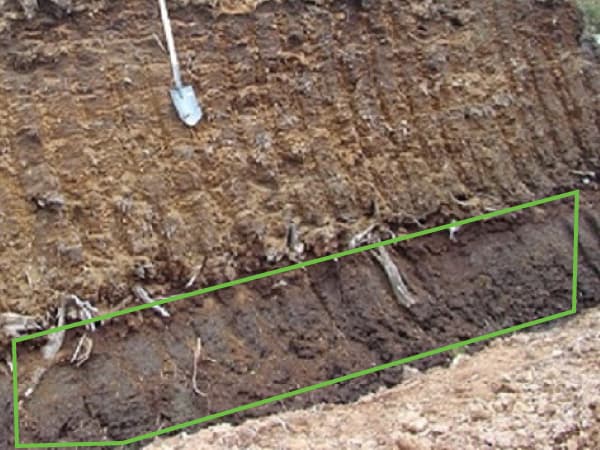
Despite the fact that fulvic acid is a reasonably expensive product used in a variety of health-related industries, we have the ability to use it in substrates that we offer to professional growers. Our best selling peat moss substrates have quite high rate of humic and fulvic acids. Areapeat Report.
Thanks for your blog, nice to read. Do not stop.
Thank you very much for sharing. Your article was very helpful for me to build a paper on gate.io. After reading your article, I think the idea is very good and the creative techniques are also very innovative. However, I have some different opinions, and I will continue to follow your reply.
I may need your help. I’ve been doing research on gate io recently, and I’ve tried a lot of different things. Later, I read your article, and I think your way of writing has given me some innovative ideas, thank you very much.
The point of view of your article has taught me a lot, and I already know how to improve the paper on gate.oi, thank you. https://www.gate.io/pt/signup/XwNAU
The point of view of your article has taught me a lot, and I already know how to improve the paper on gate.oi, thank you. https://www.gate.io/id/signup/XwNAU
The point of view of your article has taught me a lot, and I already know how to improve the paper on gate.oi, thank you. https://www.gate.io/zh-tw/signup/XwNAU
The point of view of your article has taught me a lot, and I already know how to improve the paper on gate.oi, thank you. https://www.gate.io/de/signup/XwNAU
I don’t think the title of your article matches the content lol. Just kidding, mainly because I had some doubts after reading the article. https://accounts.binance.com/it/register-person?ref=T7KCZASX
Great – I should certainly pronounce, impressed with your website. I had no trouble navigating through all the tabs and related information ended up being truly easy to do to access. I recently found what I hoped for before you know it in the least. Quite unusual. Is likely to appreciate it for those who add forums or something, website theme . a tones way for your customer to communicate. Nice task..
Sweet internet site, super design and style, really clean and apply friendly.
Those are yours alright! . We at least need to get these people stealing images to start blogging! They probably just did a image search and grabbed them. They look good though!
Hi there! I just would like to give an enormous thumbs up for the great data you’ve here on this post. I might be coming back to your weblog for more soon.
Fantastic web site. Lots of useful info here. I am sending it to a few pals ans additionally sharing in delicious. And naturally, thanks on your sweat!
I wanted to thank you for this great read!! I definitely enjoying every little bit of it I have you bookmarked to check out new stuff you post…
Well I definitely enjoyed studying it. This post provided by you is very practical for good planning.
Your article gave me a lot of inspiration, I hope you can explain your point of view in more detail, because I have some doubts, thank you.