Best Practices Guide for Professional Peat-Based Substrates

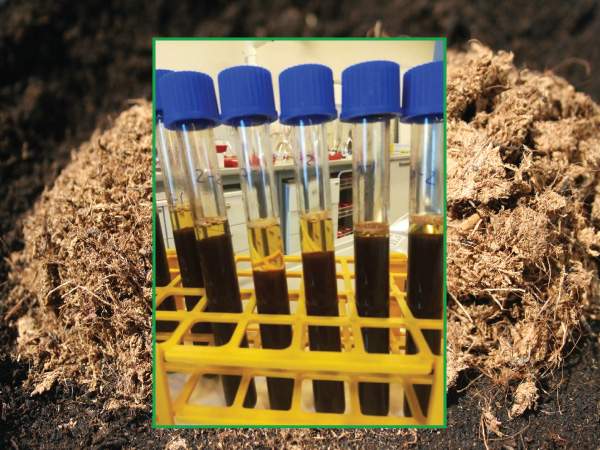
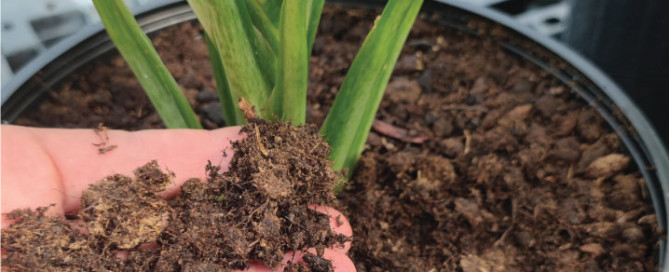
Best Practices Guide for Professional Peat-Based Substrates The provided text serves as a comprehensive professional manual for using peat-based substrates in controlled-environment horticulture. It emphasizes that raised bog peat is the premier choice for cultivation due to its chemical stability, structural integrity, and natural purity. Beyond defining core materials like sod peat and fibers,
By |2026-06-16T15:30:22+03:00June 13th, 2026|Research|Comments Off on Best Practices Guide for Professional Peat-Based Substrates

Research: Peat substrate has up to seven times less overall environmental impact than other substrates

The results of a study conducted in Latvia on the life cycle analysis of substrates have been published in the influential journal of environmental sciences "Journal of Cleaner Production". In a study conducted by scientists from Riga Technical University (RTU) titled "Peat Production for Horticulture in the Context of Latvia: Sustainability Assessment Using

By |2024-09-27T20:35:03+03:00September 27th, 2024|Research|Comments Off on Research: Peat substrate has up to seven times less overall environmental impact than other substrates

Sphagnum peat moss returns to greenhouse hydroponics

Peat moss has many reasons to return to professional hydroponics for long-term stay. The very beginnings of hydroponics. History. Peat moss substrates (a completely natural medium, used as a major ingredient in most soilless mixes) were used in hydroponics at least 20 years

By |2022-12-21T13:33:17+02:00December 30th, 2020|Growing media, Research|Comments Off on Sphagnum peat moss returns to greenhouse hydroponics

Conclusion: Coconut Coir is Not Sustainable

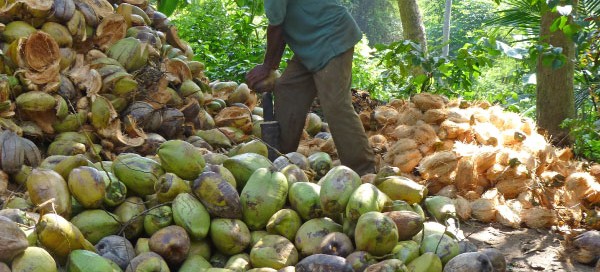
Why Coir is not Sustainable and Eco-friendly? Coir Coir is made from the outer husk of coconuts and is a waste product from the coconut industry. Term coir is used interchangeably with the term coir pith and is sometimes called coir peat, coir dust, coir meal

By |2022-12-21T15:46:20+02:00June 1st, 2020|Growing media, Research|Comments Off on Conclusion: Coconut Coir is Not Sustainable

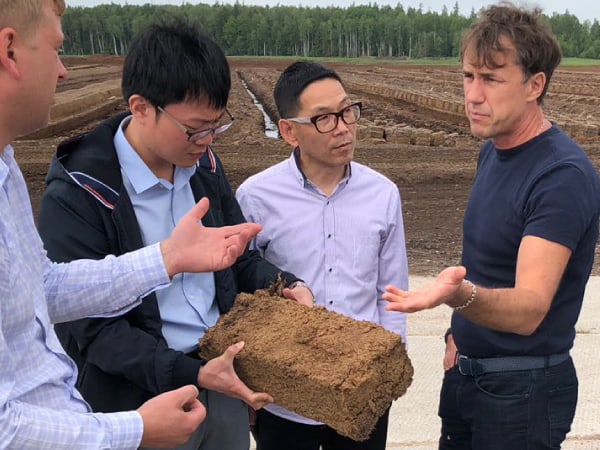
Chinese partners are learning about peat

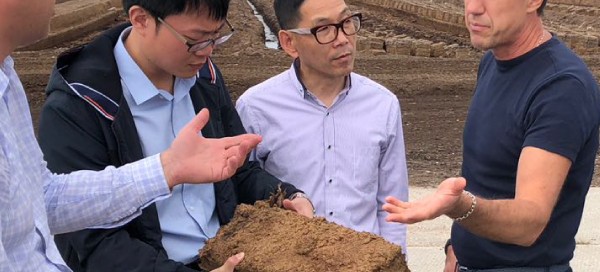
Purpose of the cooperation partner visit. As demand for peat substrates in China increases, more and more customers are beginning to become interested in specialty formulations and, of course, how the price is formed. The urgent question is why peat raw materials can vary significantly in price. What are the main differences between peat

By |2022-12-21T15:50:37+02:00February 5th, 2020|Research|Comments Off on Chinese partners are learning about peat

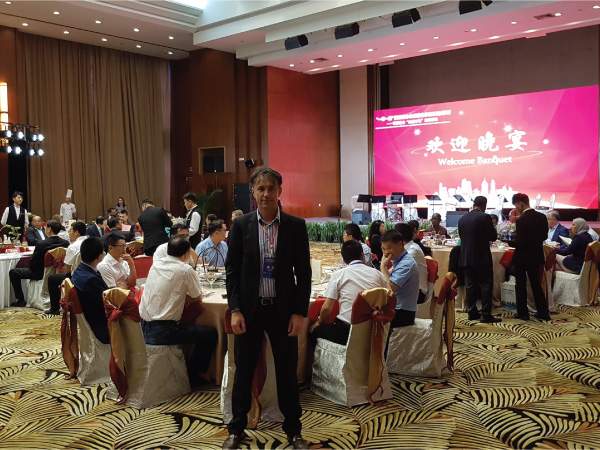
Peat moss export to China. Common trends.

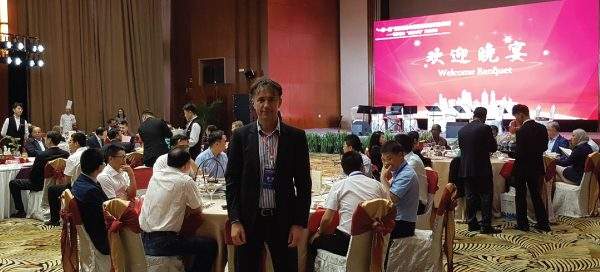
Demand for various peat moss (Sphagnum peat) types for the Chinese market is stated with an huge sum of 100,000,000 m³ yearly. This quantity will be expected requirements of the Chinese market for the next 5 years. International peat moss market development in the Asian market. In fact

By |2022-12-21T15:51:27+02:00July 27th, 2019|Research|Comments Off on Peat moss export to China. Common trends.

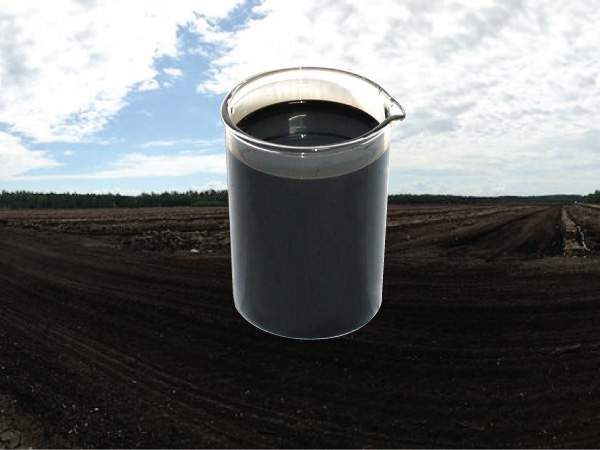
Fulvic acids

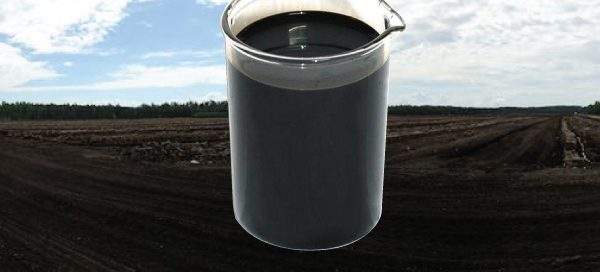
Liquid Fulvic Acids extracted from black humus peat is an extremely potent and high-energy substance that stimulates plant metabolism, increases stress tolerance and acts as a natural detoxifier. An organic fulvic acid concentrate that improves photosynthesis, and nitrogen efficiency and can balance and maintain higher soil nutrient levels. What

By |2022-12-21T15:52:09+02:00June 24th, 2019|Research|16 Comments

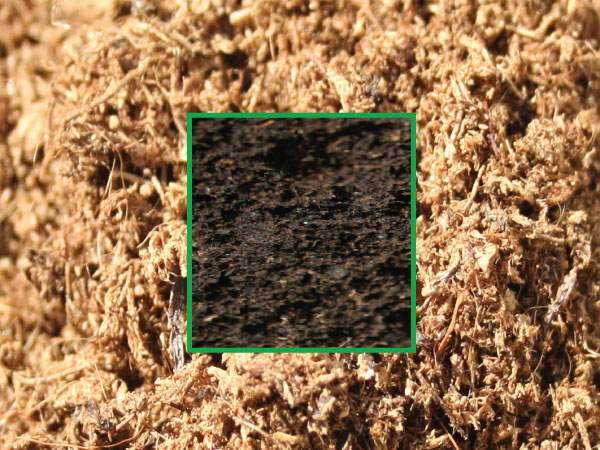
University test results

Areapeat research work Areapeat, in cooperation with the University of Latvia, conducts research on the agrochemical properties of peat, the effectiveness of different peat mixtures on plant development. It is now known that even small amounts of special peat forms can improve certain agrochemical characteristics of the whole mixture. One example is substrates for

By |2020-01-18T12:07:06+02:00June 21st, 2019|Research|6,949 Comments
Go to Top