

Professional seedling/potting soil for organic plant growing. Is that possible?
Peat is the main component of seedlings growing media and its use is also allowed for transplant production in organic nurseries (Regulations (EC) No 834/2007 and No 889/2008). Thus, peat-based substrates constitute the standard media used in conventional and organic seedling production.
Without the addition of fertilizers and trace elements for professional growing media doesn’t work and cultivation is quite impossible. From this point, such media cannot be used for plant growing purposes at the professional level.
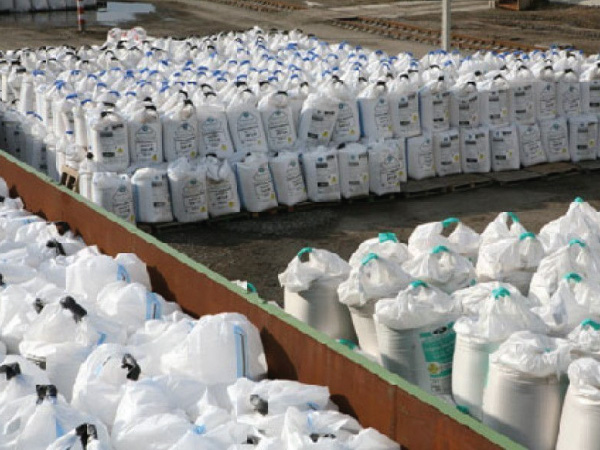
Regular nutrient (fertilizer) additives are necessary
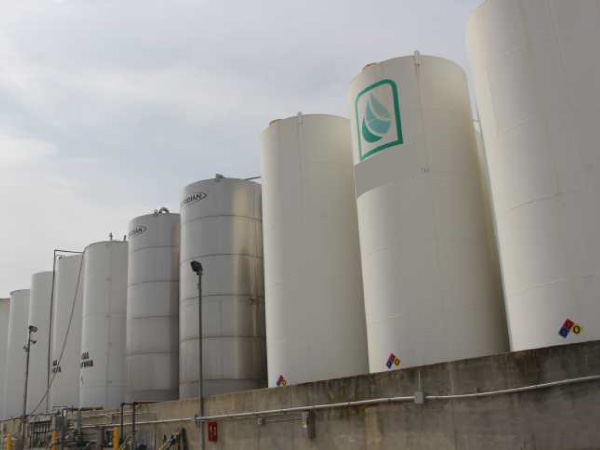
Greenhouses consume huge quantities
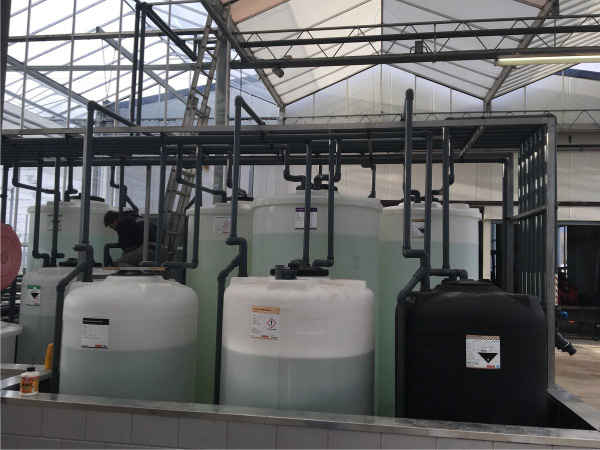
But there is a good chance of reducing them.
Organic substrate made by nature.
Peat’s main characteristic is its organic nature. Peat consists of 95 % organic material, and it is the best growing media for plants. As a substrate constituent peat is superior to any other material. Without well-known qualities such as high water and air holding capacity, peat has a high cation exchange capacity (CEC). The CEC refers to the ability to attract, retain and exchange cations such as potassium and calcium ions. Because of its ability to hold water and nutrients, peat saves fertilisers and water. The naturally occurring humic acids within this raw material stimulate root growth. Since peat is a 100% organic material it also is compostable and does not produce unwanted waste.
Highly decomposed peat will tend to remain more chemically stable as the organic decomposition process has already been carried out.
1. Natural raw materials containing a lot of primary and secondary nutrients.
That is rich in humus (humic substances) black peat. Humic substances are soil organic components, which ensure their fertility, and the most important components there are humic acids and fulvic acids. Practically that is humus soil, three separate types of acid can be separated from them.
But that’s not all.
2. Inspirational test results
By testing black peat samples in a Latvian University soil laboratory, we discovered very interesting facts.
Sphagnum peat moss usually does not contain primary and secondary nutrients. That is why peat substrates belong to soil- less media group. Soil-less organic growing medium horticultural systems have advantages over traditional systems in that the nutrients, oxygen and water required for a healthy plant growth are controlled and that soil-borne pathogens can be circumvented.
3. Is that belong to professional growing media class?
Black peat is not in the active decomposition process, has practically no odor, the material is very stable and does not provoke other decomposition processes in the soil, which is undesirable for professional cultivation. Correct mix with undecomposted white peat show desireable physical and growing properties.
4.Organic vs. mineral growing media.
In Western Europe, nearly all greenhouse-grown plants are produced on mineral growing medium comprised of inorganic synthetic fibres. Mineral growing media are produced from diabase, limestone and cokes, which are melted together at 1500 °C and spun into fibres6. In contrast, peat and coconut are the most utilised organic-derived constituents of growing media produced in the EU7. While mineral growing medium has a neutral pH, high air content and low density, organic growing medium is characterised by its high organic matter content and capacity for cation exchange with the water solution irrigating the growing medium.
5. Conducted efficacy study.
The production of healthy and vigorous plant seedling is the most important factor in successful production and yield of plant. Germination of the seed is a critical stage, because the rest of the plant life is directly dependent upon the rate of its germination . The best growing media should have proper aeration, water holding capacity and adequate nutrition supply; different additives provide good nutrition to plants when applied in combination with soil less substrates. We evaluated the seed germination and seedling growth of cucumbers as affected by present of black humus peat as organic fertilizers and growing promoter.
Study investigated the efficacy of five different mixes of growth media on seedling emergence and juvenile phenology of cucumbers in the nursery. All the growth media were bagged in the standard perforated (perforated to allow for water drainage) nursery polybags of 7 cm × 7cm. Data on percentage seedling emergence, number of leaves, plant height and leaf area at 1, 2 and 3 weeks after planting were collected.
Growth media showed significant (P<0.05) effect on seedling emergence of cucumber Meribella seeds.
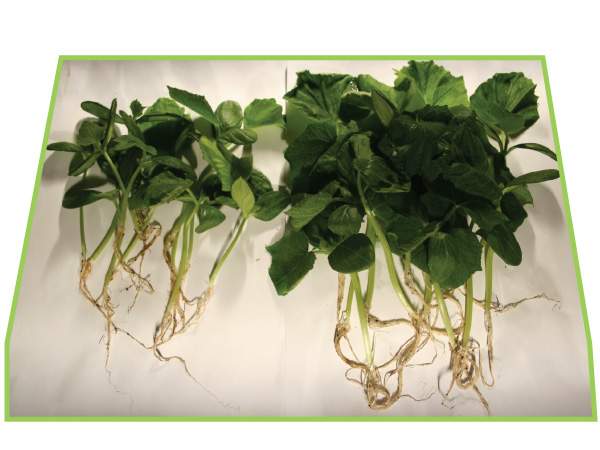
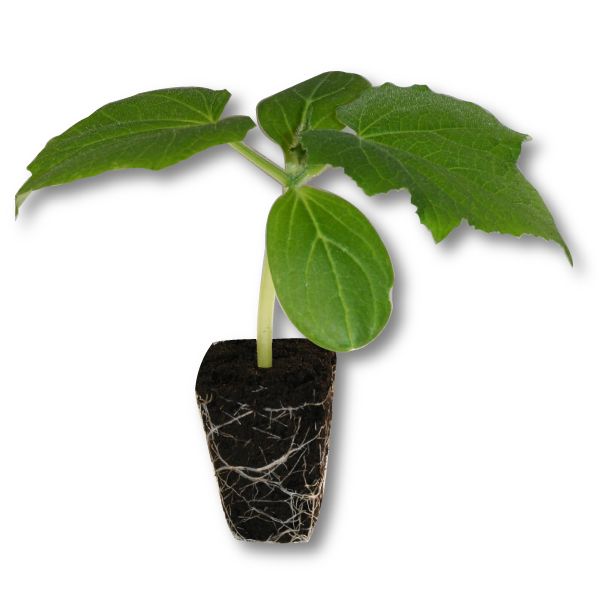
Use special mix of sodpeat, milled peat, small amount of NPK, trace elements and H6-H8 true black peat as humus donator and growth promoter for early stage of young plants.
Peat moss is not peat humus, and peat humus is not humus at all. Peat moss is partially decayed sphagnum moss, a species of moss that grows in bogs. Peat humus is a combination of sediments and more thoroughly decayed peat moss that collects at the bottoms of bogs. Humus, to put it as simply as possible, is the part of the soil that is without structure and is made up of the entirely decomposed remains of peat moss. The soil consists of organic and inorganic substances, as well as live beneficial microorganisms, and that penhance plant growth. The major components of naturally occurring organic matters are humic substances. They are very important components of the soil, affecting soil physical and chemical characteristics, as well as improving soil fertility. Humic substances are formed by microbial degradation of dead plant matter. The major components of humic substances are: humic acid, fulvic acid and humin.